Why Common Used Industrial Robots Are the Smarter Buy
Common used industrial robots from KUKA, ABB, FANUC, and Yaskawa offer better parts availability, service, and resale value. Learn why popular used robotic arms pay off long term.
Tyche Robotic
4/28/20263 min read
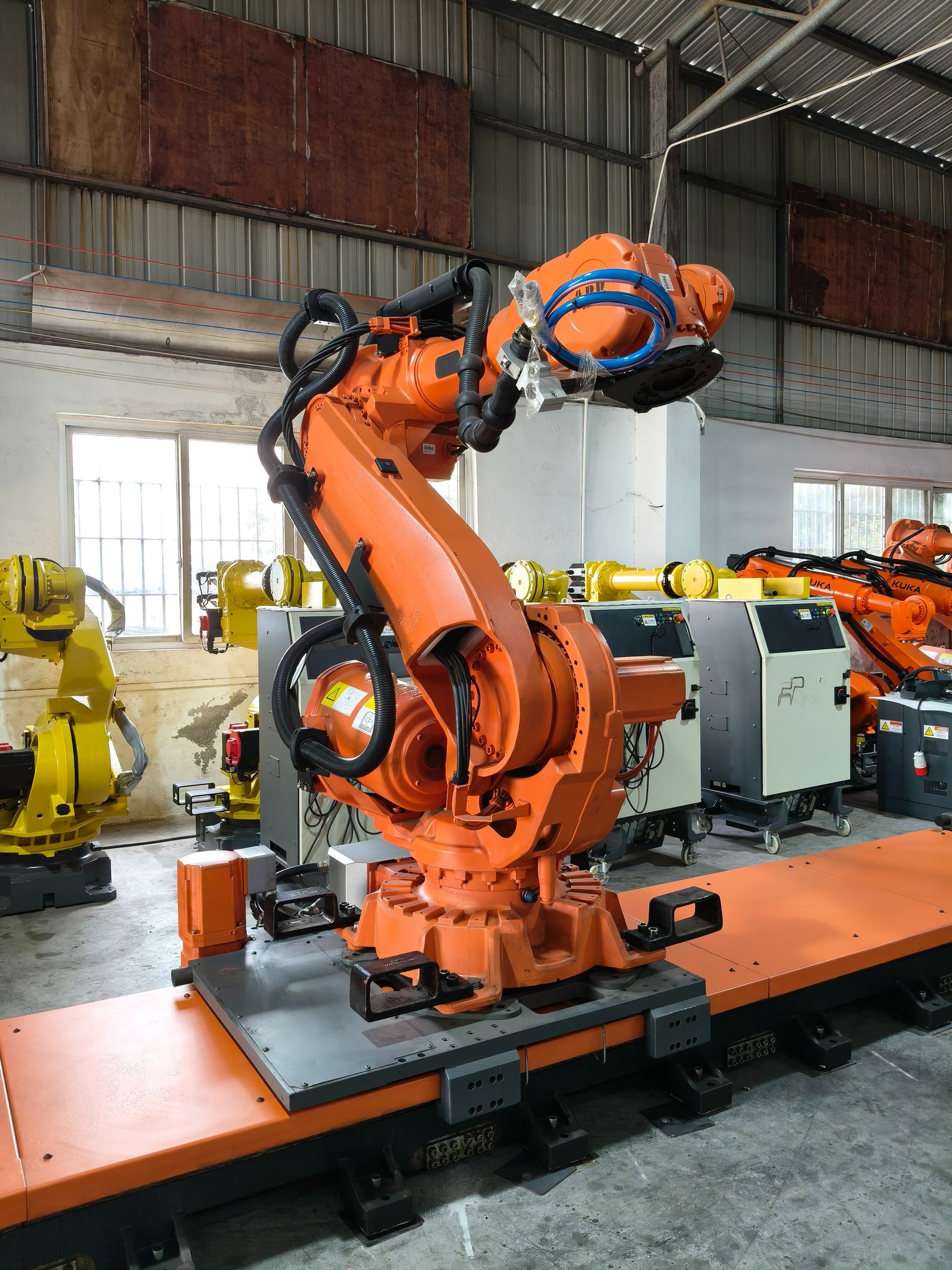
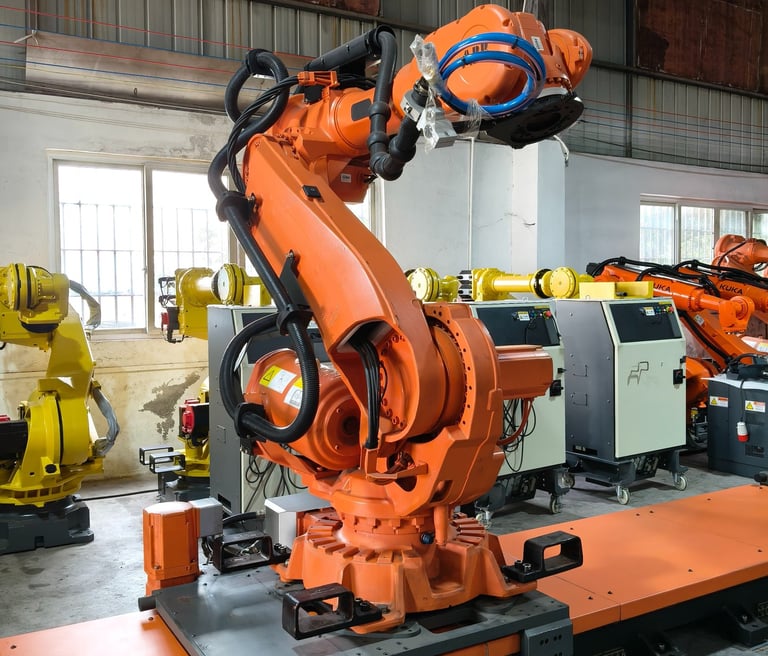
When you're hunting for a used robotic arm, it's tempting to chase the exact spec on paper. A little more reach. A slightly higher payload. That one niche model that seems to match your spreadsheet perfectly. But experienced buyers know something that newcomers often learn the hard way: a common robot that's almost right usually beats a rare robot that looks perfect. The logic isn't about compromise. It's about what happens after the purchase order is signed. When you need a spare part at midnight, or a replacement unit three years from now, or just someone in the area who knows the controller, the value of a popular installed base becomes painfully obvious.
The Power of a Deep Installed Base
A robot with a big installed base is never just one machine. It's one of thousands, maybe tens of thousands, doing similar work in factories around the world. That matters for three reasons that hit your wallet directly. Spare parts are the obvious one. A used FANUC R-2000i or a KUKA KR 210 sits in so many plants that gearboxes, servo motors, and controller components are in steady supply. You're not waiting weeks for a part to ship from a single warehouse. The second reason is service. When a lot of integrators and maintenance techs have worked on the same robot family, finding someone who can troubleshoot it isn't a research project. The third reason is replacements. If that robot eventually needs to be swapped out entirely, finding another unit of the same model is a matter of making a few calls, not crossing your fingers. These three things together turn a robot purchase into something closer to a system than a one-off bet.
Why the Big Four Dominate the Used Market
Walk through the used industrial robot market and four names keep coming up. KUKA, ABB, FANUC, and Yaskawa. They earned their spots by building machines that last, but they also built volume. The Big Four's most popular models appear in so many production lines that the used market for them is deep and liquid. For a buyer, that liquidity translates into choice. You can compare units, pick the one with the cleanest test results, and negotiate with multiple sellers. It also means that when you're buying, you're plugging into an ecosystem that already exists. Training materials, third-party tooling, controller knowledge, and used robot spare parts are widely available. If you buy a used robotic arm from outside this circle, you might save a few bucks upfront. But you're betting that nothing will ever go wrong, and that's a bet the production floor rarely wins.
Used Common Industrial Robots Hold Their Value Better
A lesser-known advantage of buying a common used industrial robot is what happens to its value over time. When you buy a niche model, you might struggle to find a buyer when you are ready to move on. A popular KUKA or ABB unit, on the other hand, has a ready market. The depreciation curve on a mainstream used robot flattens out because demand stays relatively steady. This means the cost of used industrial robots isn't just about the purchase price. If you decide to sell in a few years, you are likely to recoup a meaningful chunk of your investment. That transforms the robot from a pure expense into an asset with some liquidity.
A Short Note on Refurbished Quality
Common doesn't mean bulletproof. A popular model that was run hard and put away wet is still a risk. The advantage of sticking with a well-known brand is that you know what to look for. The inspection standards for a KUKA KR C4 controller or an ABB IRC5 are well documented. The failure patterns on a FANUC wrist are understood. Reputable suppliers of refurbished industrial robots will provide inspection reports that speak directly to these known issues, and if a seller can't speak to the common wear points on a popular robot, take your business elsewhere.
The Bottom Line
The robot that fits your application is important. But the robot you can support, repair, and replace is the one that actually earns its keep over time. The used robot brands that dominate factory floors are dominant for good reasons. There is a network of parts, knowledge, and inventory behind them, and that network is what keeps a used robotic arm productive for years. Buy what's common, and you're not just buying a machine. You're buying into a system that makes that machine work.
This guide was prepared by Tyche Robotic, a supplier of refurbished six-axis industrial robots serving integrators and resellers in Latin America, Southeast Asia, and Europe.
Contact Us
As a professional supplier of used industrial robots, Jiangmen Tyche Robotic Co., Ltd. is committed to providing customers with integrated solutions—from hardware selection and configuration to software programming, debugging, and after‑sales maintenance.
© 2025. All rights reserved.

Mr. Victor Ismael