Used Industrial Robots as Replacements: What Buyers Need to Know
A practical guide to buying used industrial robots as direct replacements. Covers lead times, integration, cost savings, inspection criteria, and why brand matters in the used market.
Tyche Robotic
4/27/20264 min read
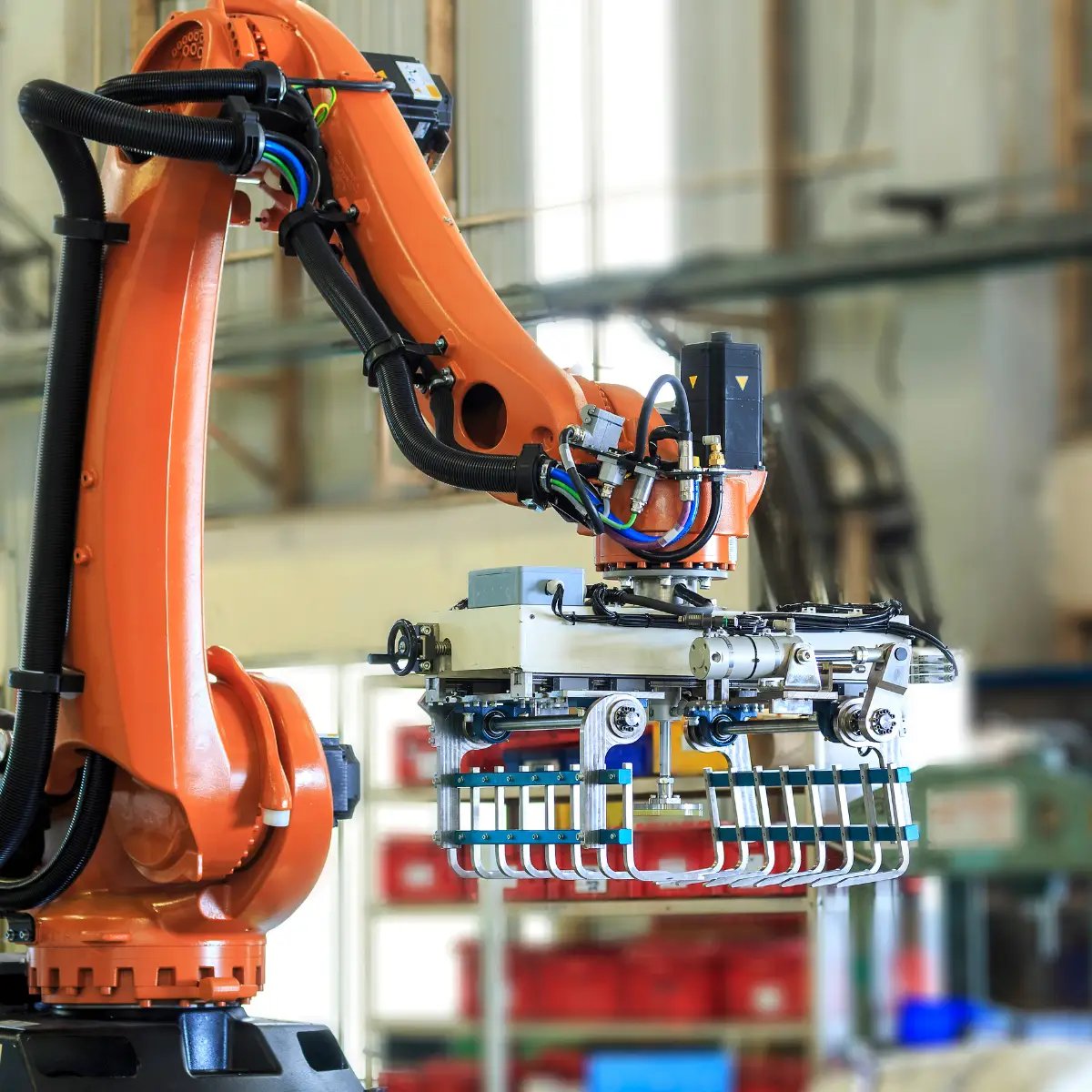
When a robot on the line goes down and the repair quote makes your eyes water, or when you need to add capacity without blowing the capital budget, a used industrial robot starts looking like a very smart option. But a lot of buyers hesitate, wondering if a pre-owned machine can really step in and do the job. The short answer is yes—when you know what you're looking at. A capable used robot with the right spec, properly checked, can get a cell back online in days instead of months, and do it at a fraction of what a new unit costs. The key is understanding where used robots deliver the most value and how to avoid the ones that look good on a pallet but disappoint on the floor.
Faster Lead Times When Time Is Money
New robots don't sit on shelves. Depending on the brand, the model, and how busy the factory is, you might wait eight to sixteen weeks or more for delivery. That's a long time when a cell is dark and orders are stacking up. Used robots, on the other hand, are sitting in warehouses right now. A supplier with real inventory can ship within days. If you're replacing a robot that's already integrated into an existing cell, getting an identical used unit can mean having the line back up before the end of the week. That speed has real financial value. Every day of downtime or delayed capacity is revenue that doesn't come back. Used robot lead time is often measured in days, not quarters, and for many operations managers, that alone tips the scale.
Easier Integration When You Stick with What You Know
Replacing a dead robot with a different model, or worse, a different brand, means new programming, new tooling, and often new safety layouts. The engineering hours add up fast. But if you replace like for like—a used KUKA for a KUKA, a used FANUC for a FANUC—the integration path is mostly paved. The mounting holes match. The controller speaks the same language. The teach pendant feels familiar. Your maintenance team already knows the quirks. That's hours and days saved on commissioning. Used robot integration doesn't have to be a project. It can be a swap. And if you're working with a supplier who can provide the exact model and controller generation you need, the job gets even simpler.
Cost Savings That Change the Payback Math
The headline number everyone knows: used industrial robots cost forty to sixty percent less than new. But the real savings go beyond the purchase order. When you buy used, you're often buying at a point where the steepest depreciation has already happened, which means the equipment holds its residual value better. A new robot loses a chunk of its book value the moment it's commissioned. A five-year-old robot you bought used will be worth roughly the same a year or two later if it's maintained. The cost of used industrial robots isn't just lower upfront. It changes how the asset sits on your books. For a manufacturer watching capital efficiency, that's not a detail. It's the whole point.
Shorter Training, Familiar Territory
If the robot you're bringing in is the same brand and generation as the one it's replacing, your operators and maintenance crew already know what to do. The program structure is familiar. The spare parts are the same ones you've been stocking. There's no new controller manual to study over the weekend. That continuity cuts a quiet cost that rarely shows up on project budgets but always shows up on timelines. When a team can step up to a replacement robot and start working with it immediately, the project lands faster.
What to Check Before You Buy
Used robots aren't all created equal, and the difference between a good one and a problem one comes down to what the seller can show you. Don't settle for a photo and a description. Ask for a test log. If the robot has been through a real refurbishment process, there should be data: axis temperatures under load, motor current draw, backlash measurements before and after. A video of the robot running a test cycle is worth more than a written promise. Pay attention to the controller. Know which software version it's running and whether the technology packages you need are included and licensed. Refurbished robot inspection isn't about being suspicious. It's about being thorough. The sellers who welcome these questions are the ones worth dealing with.
Why Brand Matters in the Used Market
The Big Four brands—KUKA, ABB, FANUC, and Yaskawa—dominate the used market for good reason. They built machines that run for decades, and their installed bases are so large that spare parts, service expertise, and controller knowledge are widely available. Buying a used robot from one of these brands means you're not hunting for obsolete components or trying to find the one integrator in the region who knows the controls. It also means that when you need a second unit, or a third, you can likely find the same model again. That repeatability matters more than most first-time buyers realize.
The Bottom Line
A used industrial robot isn't a compromise. It's a capital strategy. When lead times are tight, budgets are fixed, and the goal is to keep production moving, a properly inspected used robot can step into a replacement role as well as anything fresh off the factory line. The difference is in the due diligence. If you know what you're buying and who you're buying it from, the used market offers some of the best value in industrial automation right now. Tyche Robotic focuses on refurbished equipment from the Big Four, with an emphasis on machines that are ready to ship, tested, and backed by real inspection data. When the replacement has to work, those are the things that count.
This guide was prepared by Tyche Robotic, a supplier of refurbished six-axis industrial robots serving integrators and resellers in Latin America, Southeast Asia, and Europe.
Contact Us
As a professional supplier of used industrial robots, Jiangmen Tyche Robotic Co., Ltd. is committed to providing customers with integrated solutions—from hardware selection and configuration to software programming, debugging, and after‑sales maintenance.
© 2025. All rights reserved.

Mr. Victor Ismael