Selling Your Used Industrial Robot: How to Get the Best Return
A practical guide to selling a used industrial robot. Covers how to determine what a used robot is worth, how to prepare it for sale, where to sell, and how trade-ins work.
Tyche Robotic
6/2/20265 min read
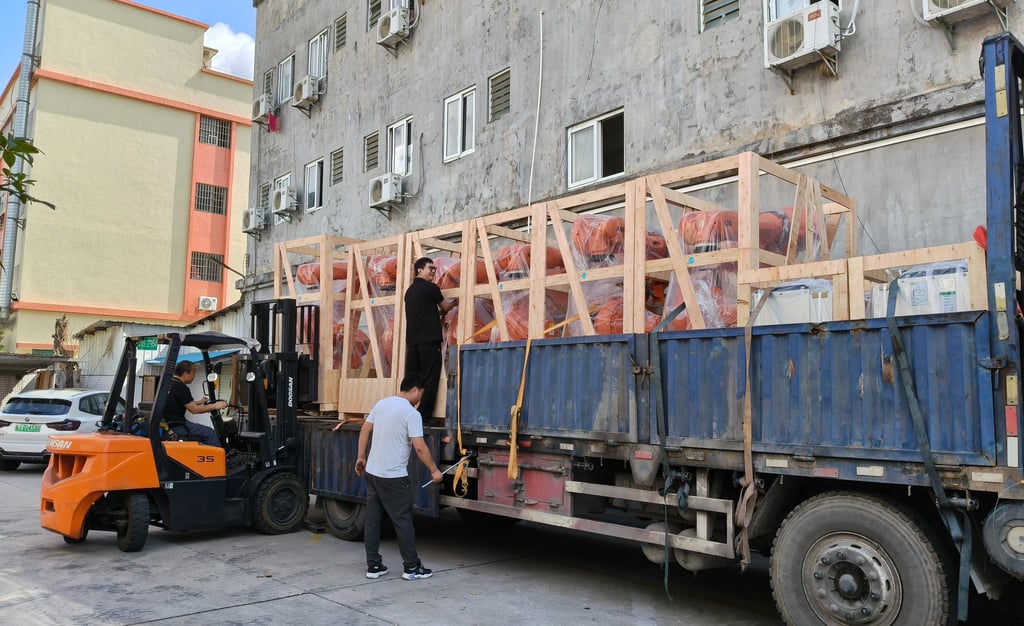
The used industrial robot market is not a small side business anymore. It is a global trade worth roughly three point eight billion dollars and growing at over six and a half percent a year. That growth is driven by one simple fact: manufacturers need affordable automation, and a well-maintained used robot from a major brand delivers the same mechanical performance as a new one for forty to sixty percent less. If you have a robot that is no longer earning its keep, you are sitting on real value. But getting the best return is not just about finding a buyer. It is about knowing what the machine is worth, getting it ready to show, and picking the right channel to sell through.
Why Manufacturers Sell Used Robots
Robots get sold for reasons that have nothing to do with whether they still work. The most common one is a line upgrade. A shop replaces an older FANUC Arc Mate 100iB with a newer 100iD, not because the old one broke, but because the new one is faster or has better vision integration. Another reason is a change in the production process. A robot that was bought to weld small brackets may not have the reach or payload for the larger weldments the shop is running now. Downsizing is another factor. A plant consolidates cells, removes a line, or reconfigures its floor, and suddenly a perfectly good robot is sitting idle taking up space. Sometimes the application itself changes. The shop moves from welding to material handling, and the welding robot is no longer useful even though it runs fine. Whatever the reason, the robot is usually not being sold because it is worn out. It is being sold because the business changed around it. That is good news for the seller, because a robot with a known history and a clean maintenance record is exactly what the used market wants.
What Your Used Robot Is Worth
A used robot's value is not what you paid for it. It is what the next owner can make with it. Five things drive the number. The brand comes first. FANUC holds value well in North America and parts of Asia because the installed base is huge and parts are everywhere. ABB commands a premium in European markets and in paint shop applications where its motion control is the benchmark. KUKA heavy-payload robots hold value because there are not many alternatives when the lift is over five hundred kilograms. Yaskawa Motoman arc welding robots move fast on the used market because the demand for welding automation is steady. The condition level is second. A refurbished robot with a documented inspection report will price higher than a tested-and-working unit, which in turn prices higher than an as-is machine sold with no guarantees. The spread between the top and bottom of that ladder can be significant. The application history is third. A robot retired from a cleanroom or a lab has lived an easier life than one from a foundry or a body shop, and buyers pay for that difference. The completeness of the package is fourth. A robot sold with its controller, teach pendant, cables, and documentation is worth more than a bare arm. Missing components turn a plug-and-play purchase into a sourcing project, and buyers discount accordingly. The controller generation is fifth. A robot with a modern controller that integrates easily with current PLCs and networks commands a higher price than one with an older controller that needs extra interface hardware.
How to Prepare Your Robot for Sale
A little preparation before listing a robot can add real money to the final offer. Gather the documentation first. Maintenance records, recent test logs, and the software license information all tell a buyer that the machine was cared for and that there will be no surprises. A robot with paperwork sells for more than one without, and that is a fact, not a guess. Back up the controller data. Make sure the batteries still have charge and the mastering data is intact. A dead battery that wipes the zero-point calibration is a problem the buyer has to solve, and they will factor that cost into their offer. Keep the package complete. The controller, teach pendant, connecting cables, and any spare parts or manuals should stay with the robot. Missing pieces shrink the buyer pool because not every buyer wants to source components separately. Clean the machine and take clear photos. Wipe off the grime, shoot the nameplate so the model and serial number are legible, and capture any obvious wear points. A robot that looks cared for in a photo gets more inquiries than one that looks like it was pulled from a scrap bin. If you have a video of the robot running before it was taken out of production, that is worth even more. A short clip of the arm moving through its paces tells a buyer more than any written description ever will.
Where to Sell: Dealer, Marketplace, or Auction
There are three main channels for selling a used robot, and they suit different priorities. Selling directly to an established dealer is the fastest and simplest path. A dealer can assess the machine, make an offer, and handle the logistics. Transactions can close the same day, and the seller walks away with cash without dealing with shipping, payment risk, or tire-kickers. The trade-off is that the dealer needs a margin, so the offer will be slightly below what a patient private sale might achieve. Online marketplaces expose the robot to a wide audience and can yield a higher price, but the seller handles all the inquiries, negotiations, and shipping arrangements. There is also the risk of dealing with buyers who are not serious or who cannot pay. Auctions are fast but unpredictable. If the right buyers are in the room, a bidding war can push the price past expectations. If they are not, the robot can sell for well under what it is worth. The right channel depends on how fast you need to sell and how much effort you want to put in. If speed and certainty matter most, a dealer is usually the way to go. If maximizing price is the goal and you can handle the process, a marketplace might pay more.
Trading In: Selling and Buying in One Move
If you are selling a robot because you plan to replace it with a different model, a trade-in can simplify the whole process. Instead of selling the old machine to one party and buying the new one from another, you deal with a single transaction. The trade-in value of the used robot is applied directly against the cost of the replacement equipment. This eliminates the hassle of coordinating two separate deals and can improve the overall economics since the supplier can bundle the pricing. It is worth asking about even if it is not advertised. Many used equipment suppliers handle trade-ins as a normal part of their business.
This article was prepared by Tyche Robotic, a supplier of refurbished six-axis industrial robots serving integrators and resellers in Latin America, Southeast Asia, and Europe.
Contact Us
As a professional supplier of used industrial robots, Jiangmen Tyche Robotic Co., Ltd. is committed to providing customers with integrated solutions—from hardware selection and configuration to software programming, debugging, and after‑sales maintenance.
© 2025. All rights reserved.

Mr. Victor Ismael