How to Sell Your Used Industrial Robot for the Best Return
Practical tips for selling a used industrial robot. Covers how to assess value, prepare the robot for sale, find the right buyer, and explore trade‑in options.
Tyche Robotic
4/29/20264 min read
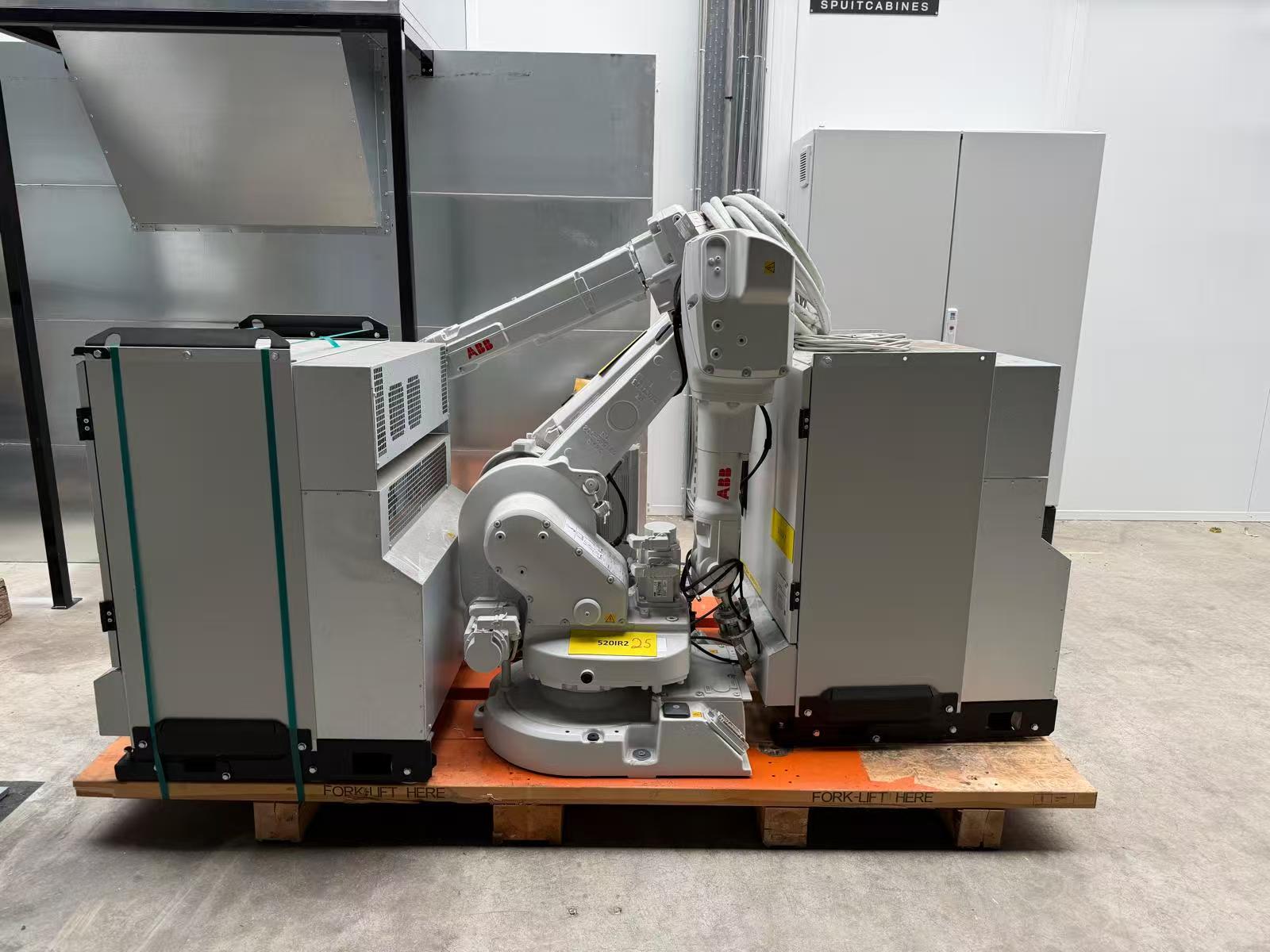
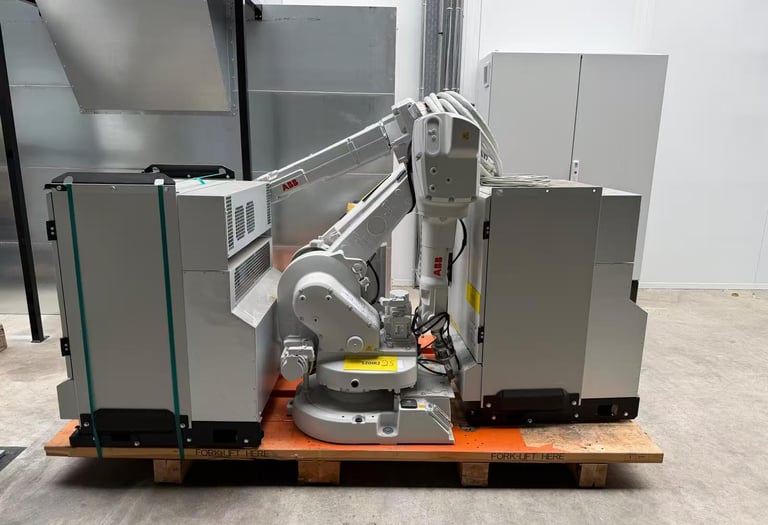
If you have a used industrial robot sitting idle or about to come out of a production line, you are sitting on real value. The global market for used and refurbished robots has been growing steadily. Back in 2016, annual used robot sales were estimated at around three hundred million euros worldwide. By the end of the decade, that figure had climbed past five hundred million, and industry analysts now project the refurbished robotics segment to keep expanding at roughly nine to ten percent a year through the early 2030s. What does that mean for a seller? It means there is a deep pool of buyers actively looking for good used equipment right now. But getting the best return is not just about listing the machine. A few simple steps before you sell can make a meaningful difference in what someone is willing to pay.
Before You Sell: Know What You Have
Buyers do not just buy a robot. They buy a known quantity. The more you can tell a potential buyer about the machine, the stronger your negotiating position. Brand matters first. A robot from KUKA, ABB, FANUC, or Yaskawa will generally attract more interest and higher offers than a lesser-known name, simply because spare parts and service expertise are widely available. Model and controller generation come next. A common model with a modern controller is easier for the buyer to integrate, and they will price that convenience in. Running hours and the previous application matter too. A robot that spent its life welding car frames is in a different mechanical condition than one that loaded delicate parts in a cleanroom. If you have maintenance records or recent inspection data, gather them. Even partial information is better than handing the buyer a mystery box. The more transparent you are about what you are selling, the less the buyer has to price in risk.
Preparing Your Robot for Sale
A little preparation goes a long way. First, if you still have power to the controller, back up the software and record the mastering data. Losing this information can wipe hundreds of dollars off the value because the buyer will have to re-master the robot from scratch. When you disconnect cables, do not cut them. Unplug everything properly and keep the connectors intact. A robot with butchered cabling is a project, not a plug-and-play purchase. Gather every component that belongs to the machine. The controller, the teach pendant, the connecting cables, any spare parts or manuals you still have lying around. A complete package is worth a premium. Finally, think about how you will ship it. The robot should be securely bolted to a pallet that can handle its weight, with the arm folded into a safe transport position. If the machine will cross an ocean, VCI anti-corrosion film and a heat-treated ISPM 15 crate become important. A buyer who sees that you have handled the logistics professionally knows they are dealing with a serious seller.
Where to Sell and How to Get the Best Offer
You have a few options when it comes to finding a buyer, and they are not all equal. Online marketplaces can expose your robot to a wide audience, but you will handle negotiations, shipping, and the headache of figuring out whether a buyer is legitimate. Auctions are fast but unpredictable. You might get lucky, or you might watch your robot go for well under what it is worth because the right buyer was not in the room. Selling directly to an established dealer is often the most straightforward path. A reputable buyer can assess the equipment quickly, make a fair offer, and handle logistics on their end. Tyche Robotic and other experienced buyers in this space understand what well-maintained used equipment is worth, and because they deal in volume, they can often offer terms that a private buyer cannot match. The key is to approach a few different buyers so you have a benchmark. If one offer is significantly higher than the others, ask yourself what the others might be seeing that the highest bidder is not.
What If You Could Trade It In?
Not every seller realizes this, but some dealers and refurbishment centers will accept a used robot as a trade-in toward a replacement unit. If you are taking one robot off the line and planning to install another, this can simplify the entire transaction. You avoid the hassle of two separate deals, and you may get better overall value than selling for cash and buying separately. It is worth asking about, even if it is not advertised. The refurbishment industry has been doing this quietly for years.
The Bottom Line
Selling a used industrial robot is not complicated, but it rewards preparation. Know your machine. Present it honestly. Spend a little time on the details that make a buyer confident they are getting a solid piece of equipment rather than someone else's headache. The market is active, the demand is real, and when you handle the basics, the offers tend to reflect that.
This guide was prepared by Tyche Robotic, a supplier of refurbished six-axis industrial robots serving integrators and resellers in Latin America, Southeast Asia, and Europe.
Contact Us
As a professional supplier of used industrial robots, Jiangmen Tyche Robotic Co., Ltd. is committed to providing customers with integrated solutions—from hardware selection and configuration to software programming, debugging, and after‑sales maintenance.
© 2025. All rights reserved.

Mr. Victor Ismael