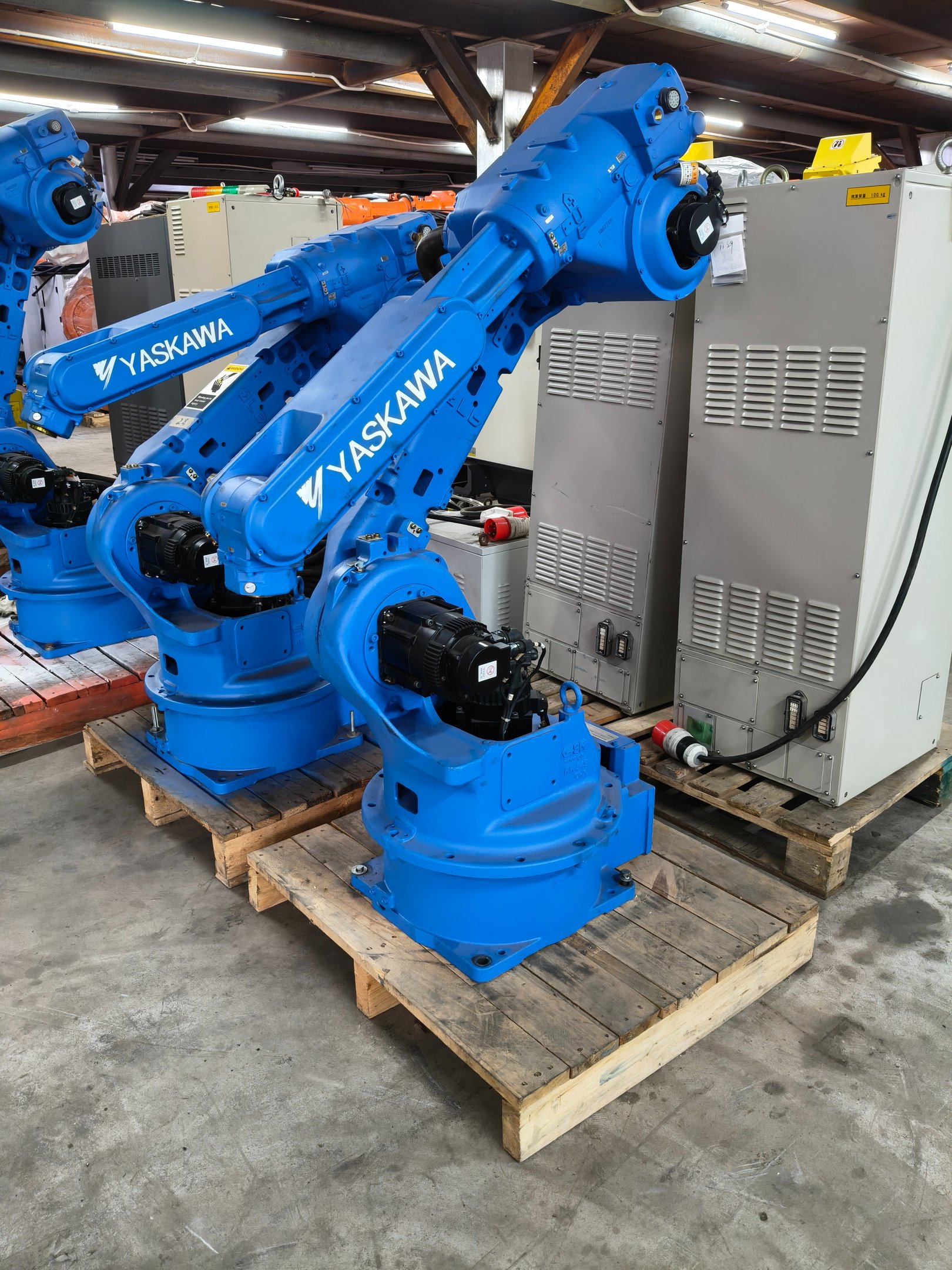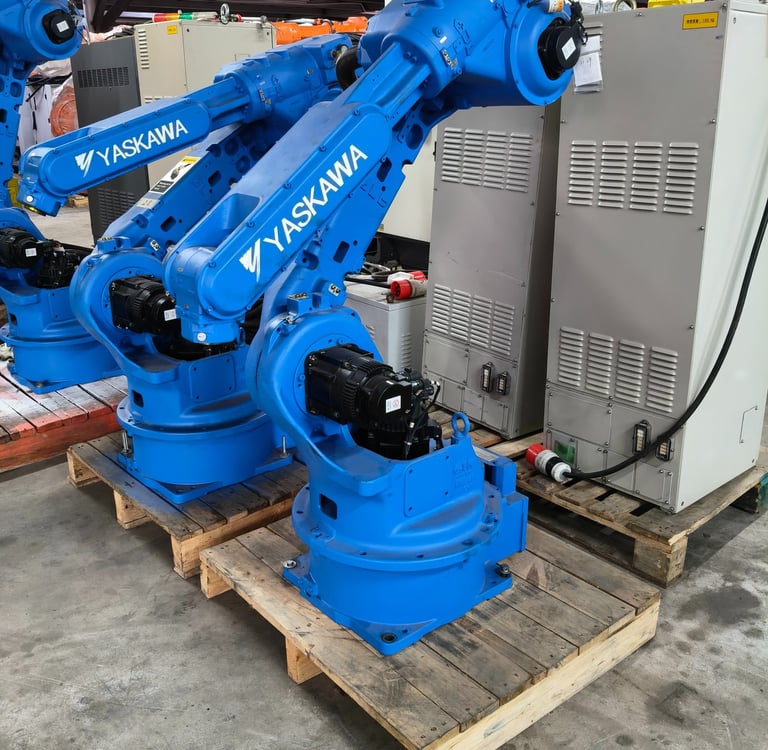
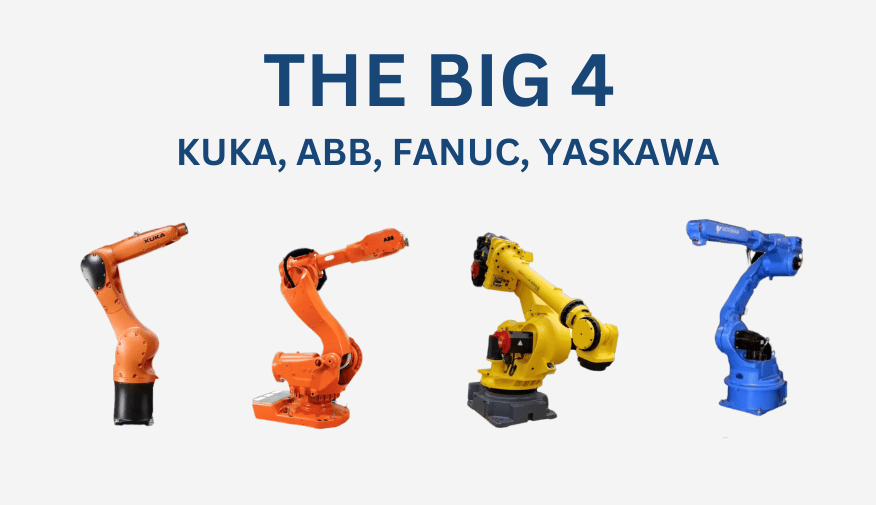
If you've spent any time sourcing industrial robots, you already know the names that keep coming up. KUKA, ABB, FANUC, and Yaskawa. They're called the Big Four for a reason. Walk into almost any factory running six-axis automation anywhere in the world, and chances are you're looking at orange, white, yellow, or blue arms. For anyone buying used equipment, this is actually good news. There are plenty of units out there, pricing is competitive, and these machines were built to run for a long time. But they're not all the same. Far from it. Each of these brands comes with its own quirks, controller headaches, and application sweet spots. Knowing what those are before you buy is the difference between a smooth integration and a project that drags on for weeks.
KUKA: THE HEAVY PAYLOAD SPECIALIST
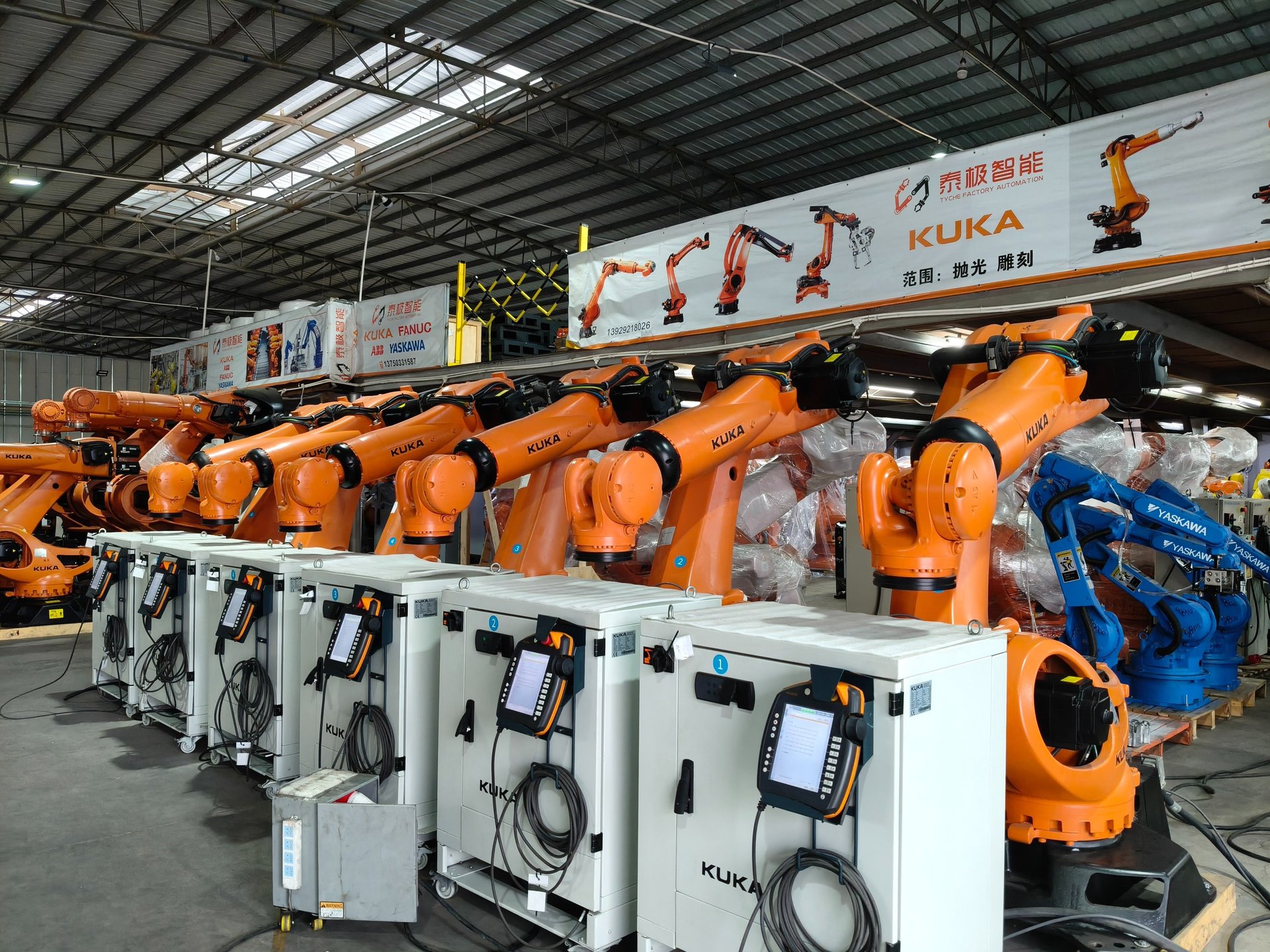
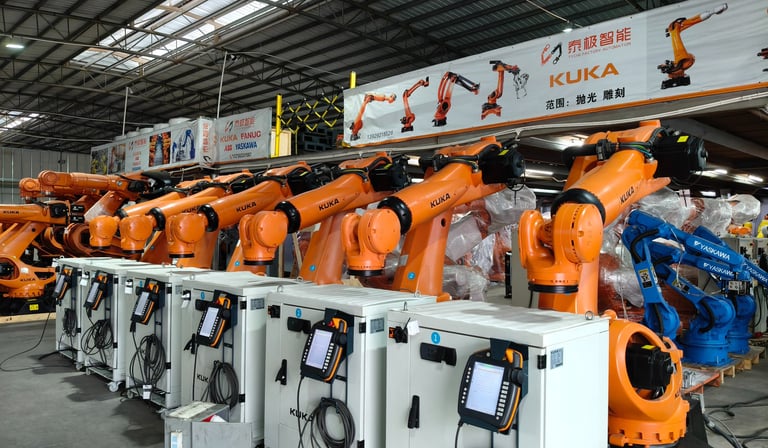
KUKA made its name building robots that can handle serious weight. If you need to move 200 kilograms or more all day long, KUKA is usually on the shortlist. The KR QUANTEC line is the one everyone knows, and for good reason. You'll find these orange arms in automotive welding cells and palletizing stations everywhere. One thing that sets KUKA apart is the controller. The KR C4 runs on a Windows-based PC architecture. That's either a blessing or a curse depending on who you ask. On one hand, it makes interfacing with cameras and third-party gear pretty straightforward. On the other hand, those software option packages are tied to that specific controller, and getting licenses transferred on a used unit can be a whole process. When you're looking at a used KUKA, spend some time on the wrist. Those axes take a beating in welding applications. Also, know exactly which KSS version you're dealing with and whether the tech packages you need are actually included.
Click here to browse our inventory of used KUKA industrial robots
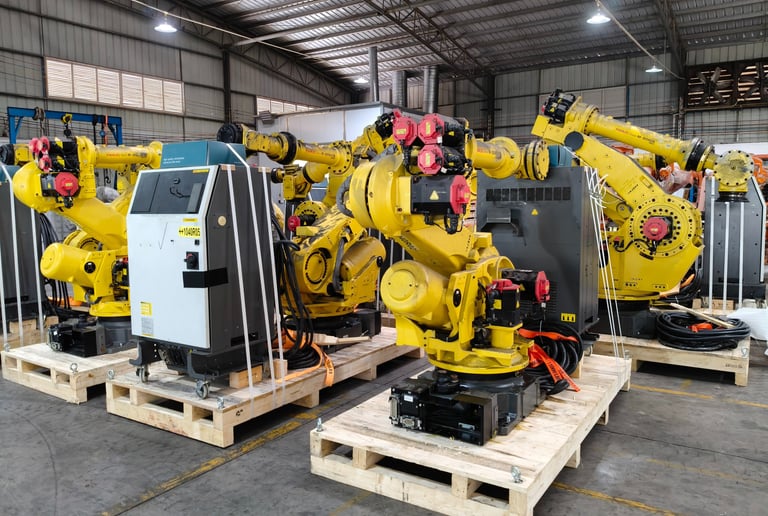
ABB: PRECISION AND PAINT TECHNOLOGY
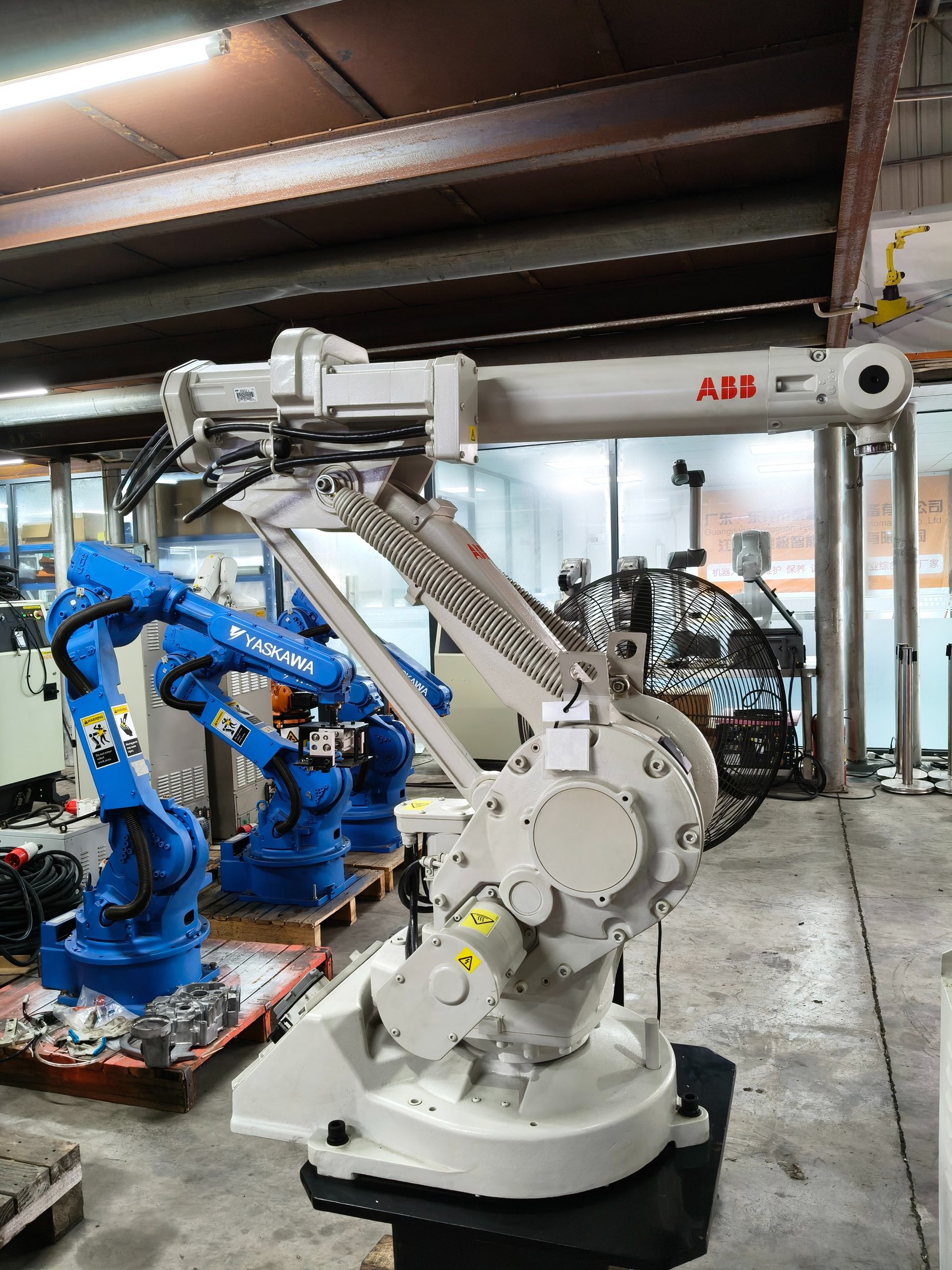
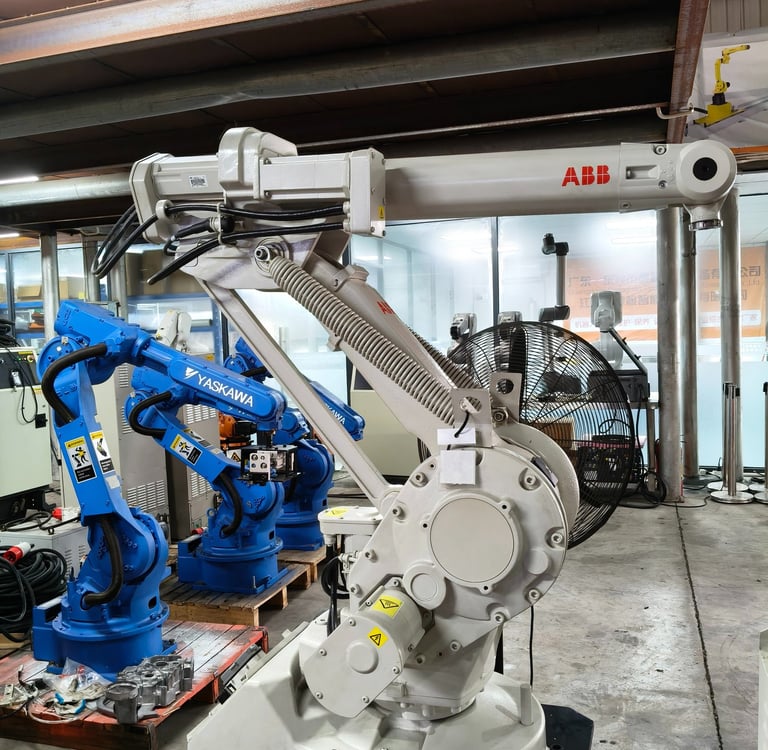
ABB robots have a reputation for being smooth. Like, really smooth. That's mostly down to their motion control software, QuickMove and TrueMove. If your application cares about the exact path the tool takes, ABB is often the answer. This is why you see so many white ABB arms in paint booths and dispensing cells. They just track better. For used equipment, you're usually looking at either an S4 controller or the newer IRC5. The IRC5 is what you want if you can get it. MultiMove support, better comms with modern PLCs, just more flexible overall. The S4 still works fine, don't get me wrong, but you might need some extra hardware to get it talking to newer stuff. When you check out a used ABB, look at the teach pendant screen. Burn-in is common on older units and it's annoying to deal with. Also, those S4 backup batteries. If they're dead and the robot lost mastering, you're adding time to your integration schedule.
Click here to browse our inventory of used ABB industrial robots