Buying a Used Industrial Robot: The Step-by-Step Checklist
A practical checklist for buying a used industrial robot. Covers defining your automation goal, understanding condition levels, planning timelines, comparing quotes, and verifying refurbishment standards.
Tyche Robotic
5/6/20263 min read
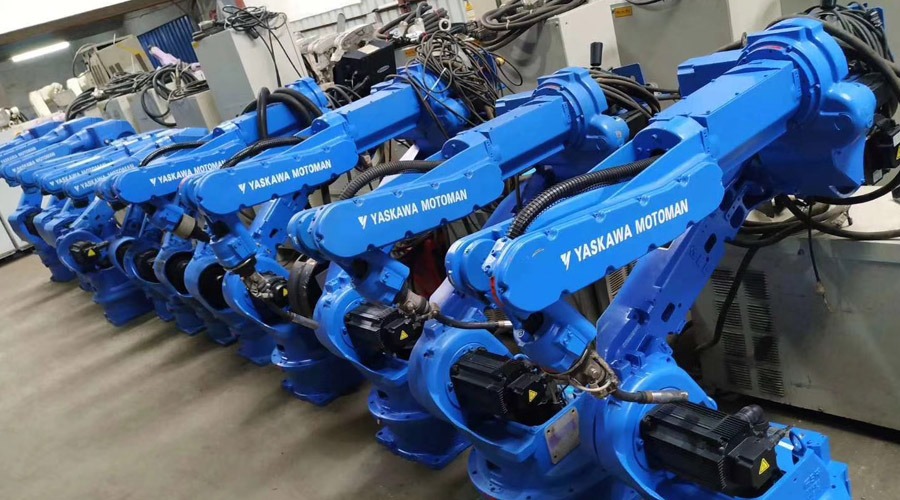
A new six-axis industrial robot is a serious capital commitment. The same model, properly refurbished, can cost forty to sixty percent less. That math is why the used robot market keeps growing. But a lower price tag does not automatically mean a good deal. The difference between a machine that plugs in and runs for years and one that becomes a project dragging on for weeks comes down to how you buy. A handful of steps, followed in order, will keep you out of the common traps and point you toward equipment that earns its keep.
Step 1: Define Your Automation Goal
Before you look at a single robot listing, know what you need the machine to do. The application drives every other decision. A robot for palletizing bags of cement needs high payload and long reach. A robot for arc welding needs precision and a controller set up for the welding process. A robot for machine tending needs to fit inside or next to a machine enclosure and still reach the chuck or fixture. Write down the task, the weight of the heaviest part plus tooling, and the work envelope. If you are replacing an existing robot, note the exact model and controller generation. That makes finding a drop-in replacement much simpler.
Step 2: Choose the Right Condition Level
Used robots come in several flavors, and the terms are not always used the same way. An as-is machine may or may not power up. It is the cheapest option but the riskiest. A tested and working robot runs but has not been refurbished to any particular standard. A refurbished robot has been inspected, repaired as needed, and tested under load. The best suppliers follow a documented process. Some run 152-point inspection checklists. Others put every machine through sixteen hours of rated-load testing. Ask what "refurbished" means to the seller you are talking to. If they cannot describe their process in detail, keep looking.
Step 3: Plan Your Timeline
A new robot can take eight to sixteen weeks to arrive, sometimes longer for high-demand models. Used robot lead time is often measured in days because the machine is sitting in a warehouse right now. That speed is a real advantage, but do not confuse shipping time with ready-to-run time. After the robot arrives, you still need to design and build end-of-arm tooling, set up safety guarding, write and test the program, and integrate the controller with your PLC. A drop-in replacement might be running in a few days. A brand-new application might take weeks regardless. Factor that into your schedule so you are not surprised.
Step 4: Shop Smart and Compare Quotes
Do not buy from the first seller who has the model you want. Get at least three quotes and compare what each one actually includes. One might include the teach pendant and cables. Another might price those separately. One might offer a warranty. Another might sell the robot as-is with no support. Also compare the details that matter after the sale. Does the seller provide inspection data? A test video? Will they handle export packaging if you are shipping internationally? A used robot price comparison only works if you are comparing the same level of equipment and service. The lowest number on a quote is not always the best deal.
Step 5: Verify the Refurbishment Standards
Not all refurbishment is equal. A seller who pressure-washes the arm and calls it refurbished is operating in a different league from one who disassembles the wrist, measures backlash on every axis, and replaces worn reducers before they fail. Good robot refurbishment standards are specific. Look for a documented multi-point inspection. Look for load testing at or near rated capacity. Look for before-and-after data on axis temperatures and motor currents. Ask for a video of your specific robot running a test cycle, not a stock clip of a similar model. If a seller cannot provide this, the "refurbishment" may be mostly cosmetic. Established suppliers who move volume in the big four industrial robot brands know that repeat buyers come from trust, not from selling machines that break down a month after installation.
The Bottom Line
Buying a used industrial robot is not about finding the cheapest listing. It is about finding a machine that matches the job, backed by a supplier who can prove it is ready to run. Follow the steps. Define the task. Pick the right condition level. Plan the whole timeline, not just the shipping date. Compare quotes on value, not just price. And insist on real refurbishment data. When you do those things, a used robot stops being a gamble and starts looking like what it actually is: one of the best capital decisions a manufacturer can make.
This guide was prepared by Tyche Robotic, a supplier of refurbished six-axis industrial robots serving integrators and resellers in Latin America, Southeast Asia, and Europe.
Contact Us
As a professional supplier of used industrial robots, Jiangmen Tyche Robotic Co., Ltd. is committed to providing customers with integrated solutions—from hardware selection and configuration to software programming, debugging, and after‑sales maintenance.
© 2025. All rights reserved.

Mr. Victor Ismael